What belongs in a sunfade hoodie manufacturer RFQ?
Start with Fade references and photos, Shade band limits, Base fabric GSM, Decoration before or after finish. Add the quantity by color and size, destination country and required date.
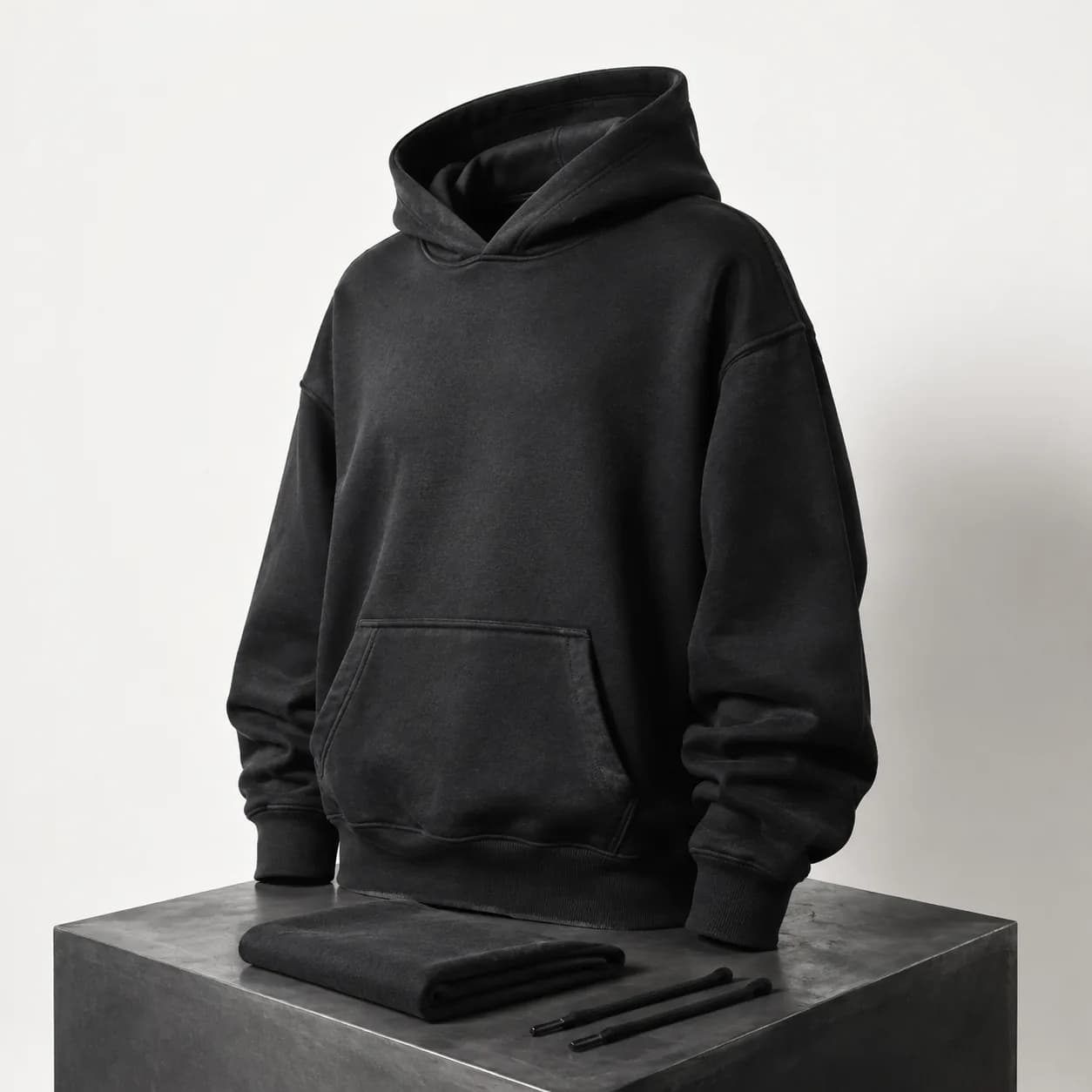
Develop sunfade-look hoodies with agreed shade variation and post-finish measurements so bulk lots stay within a defined band.
Translate wash or fade references into a sample, shade band and measurement standard after finishing.
420-500 GSM fleece
Oversized shoulders, double hood, rib tension and shrinkage checks.Sample first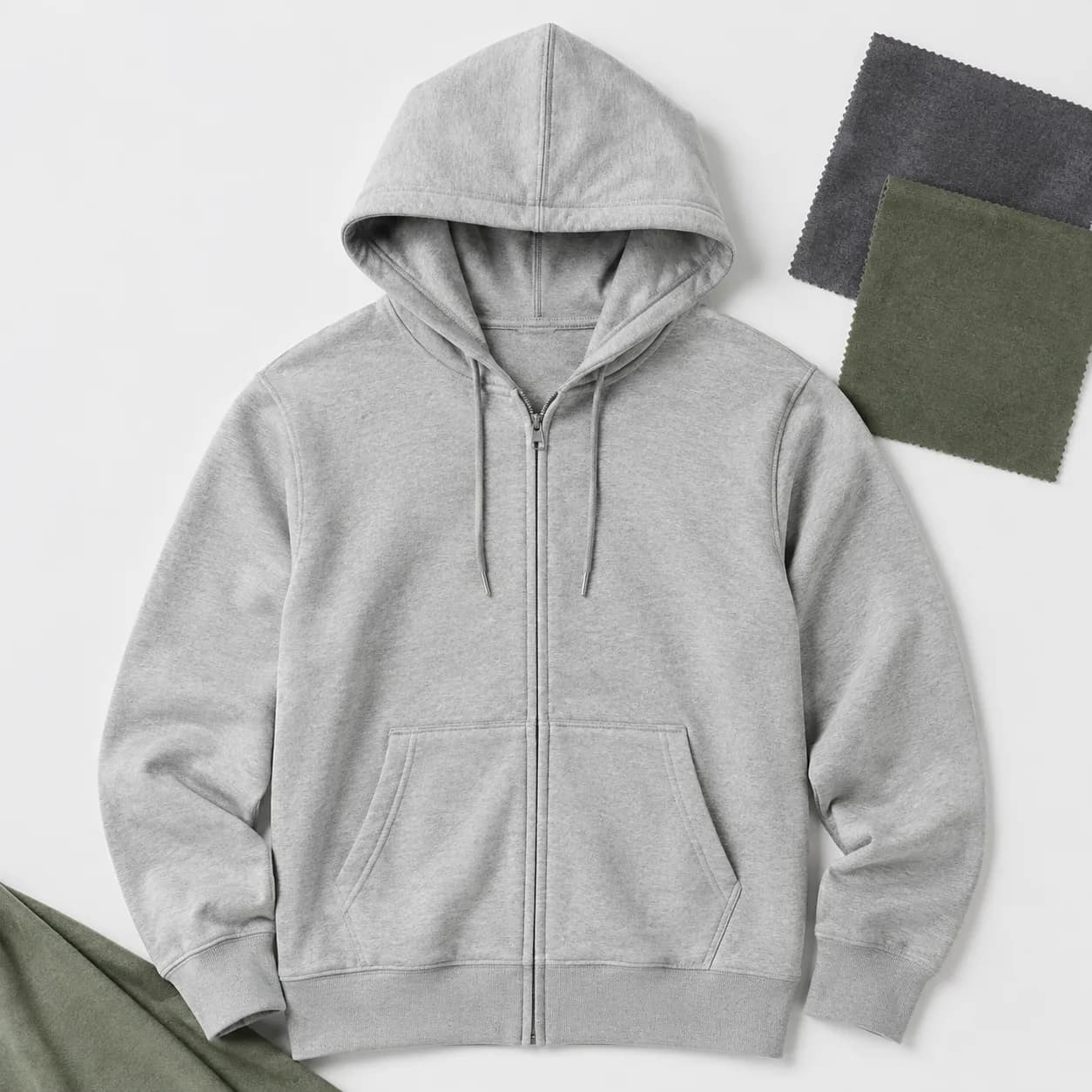
Fleece or French terry
Zipper, drawcord, labels, embroidery and packing details.Quote by trim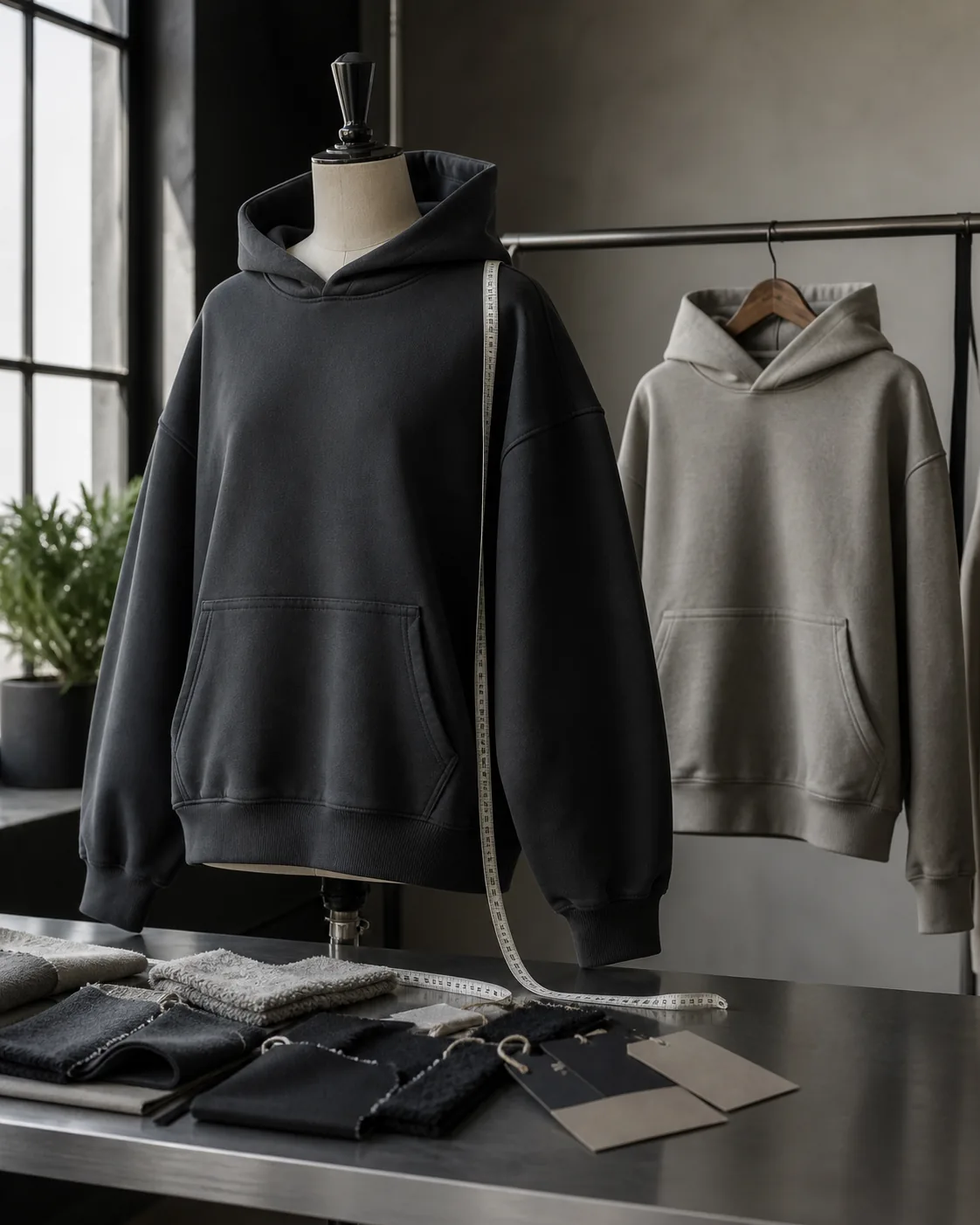
Brushed fleece
Drop shoulder, sleeve volume, cropped or long-body proportion.Fit sample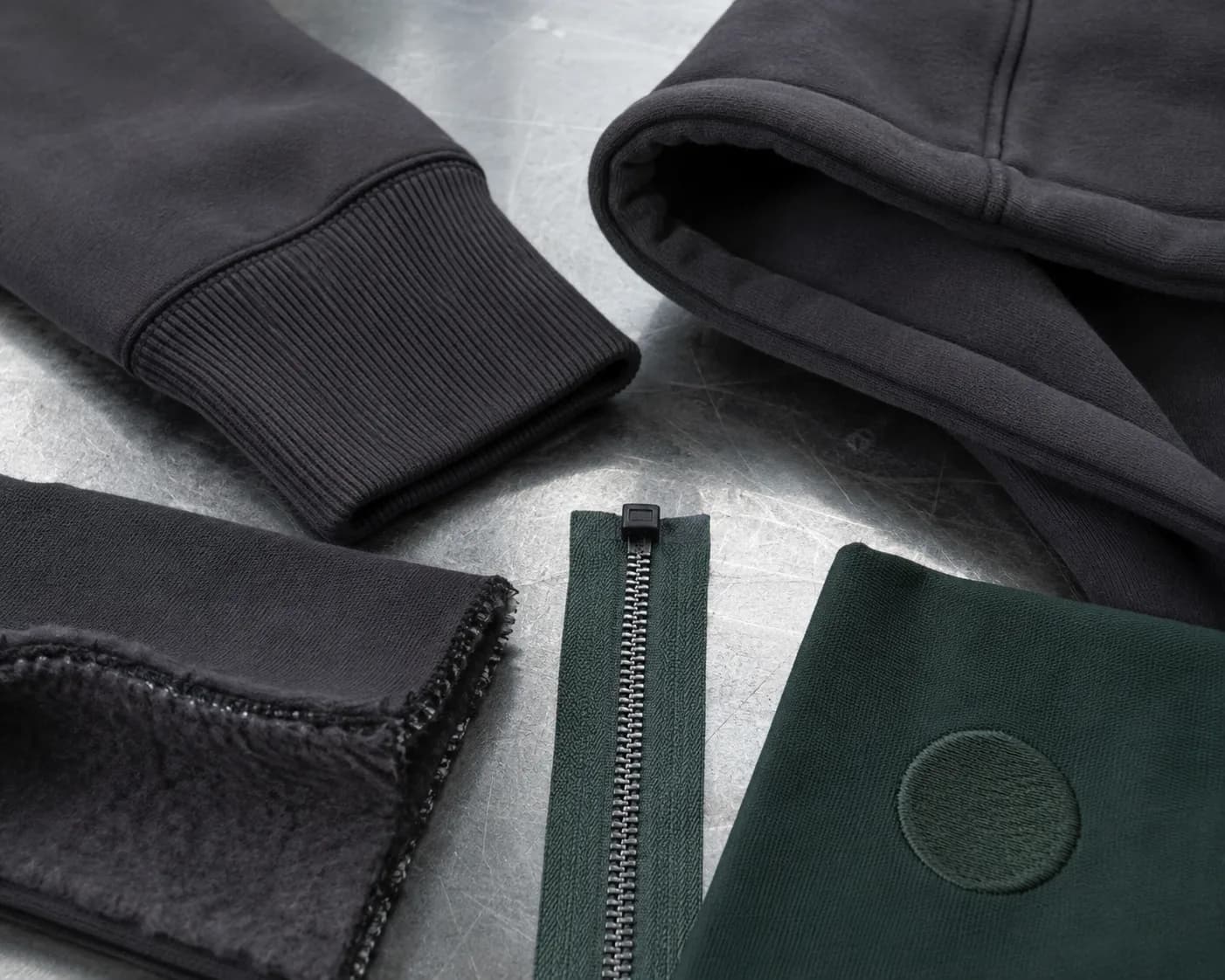
Print and embroidery
Puff print, applique, screen print and wash durability review.Artwork neededThese are the details a factory needs before discussing MOQ, sampling, lead time and production scope.
Start with Fade references and photos, Shade band limits, Base fabric GSM, Decoration before or after finish. Add the quantity by color and size, destination country and required date.
The sample should resolve Light sunfade, High-contrast sunfade, Tonal cloudy fade and record the approved measurements, materials, trims and finish before bulk.
MOQ is 100 pcs. Samples take 7 days. Bulk production lead time depends on order quantity.
Shade band check, Hand feel after finish, Decoration durability, Measurement after finish should be compared with the approved sample and packing requirements before release.
A useful sunfade hoodie manufacturer brief starts with the appearance you want, not just the word âvintage.â Sun-faded can describe a softly muted overall color, lighter areas across selected panels, or a worn-looking contrast around seams and garment edges. Those references are not interchangeable. If your team uses the same term for different effects, the sample review can become a discussion about taste rather than a check against an agreed specification. Build a reference sheet showing the front, back, hood, sleeves, cuffs, and hem. Mark which areas should remain darker and which should look lighter. Include close-ups where seam contrast or localized fading matters. Separate color references from finish references: one image may explain the base shade while another explains the distribution of fading.
Label each image so the factory does not have to infer which feature you intend to reproduce. Write down the boundaries as clearly as the target. For example, specify whether you want a smooth transition rather than obvious streaks, whether the hood should match the body closely, and whether ribbed components may show a different shade. These are proposed design requirements to review during development, not outcomes to assume before sampling. Also clarify the commercial language. A sun-faded appearance is a visual design direction. It should not be presented as evidence of UV testing, UV certification, or protective performance.
Treat the hoodie and its finish as one development package. A faded reference image alone does not define fabric composition, fabric weight, surface texture, fit, or garment construction. List those requirements separately in your technical pack, then ask which combinations can support the intended appearance. Do not assume that changing the base fabric while retaining the same color name will preserve the approved result. Specify your preferred silhouette through measurements and construction details. Cover body width, body length, shoulder position, sleeve shape, hood dimensions, and pocket placement. Identify measurement points with diagrams where needed. State whether the dimensions are intended to apply to the finished garment, and agree on how the sample will be measured. This helps prevent the visual finish from distracting the team from fit and proportion.
Consider every visible component in the finish review. Cuffs, waistband rib, sewing thread, drawcords, and any selected hardware should have an approved appearance alongside the body fabric. Ask whether those components will be exposed to the proposed finishing process or added afterward. Record the agreed sequence rather than assuming all elements will respond alike. Branding needs the same attention. If your design includes a print, embroidery, patch, or label, show its position and intended appearance in relation to faded areas. Ask whether branding should look clean or visually aged, and review feasibility before committing.
Samples typically take 7 days once the brief and materials are confirmed. Use that timing as a sampling expectation, not as a promise covering incomplete specifications, sourcing changes, or every revision round. Before starting, confirm what the sample is intended to prove: the finish direction, the fit, the branding arrangement, or the combined finished product. A sample with an unclear purpose often generates feedback that cannot be acted on precisely. Prepare a short review checklist before the sample arrives. Include base color, fade intensity, fade placement, surface appearance, hand feel, finished measurements, construction, and branding. Assign one person to consolidate comments from design, sourcing, and merchandising. Conflicting instructions such as âmake it more fadedâ and âkeep it darkerâ should be resolved internally before they become a factory revision request.
Review the physical garment when possible. Photographs are useful for communicating placement, but lighting and image settings can alter how color and contrast appear. When providing photo feedback, use consistent lighting, show the full garment, and include marked close-ups. Describe the requested change by location and direction: for example, reduce contrast on the upper sleeves while retaining the approved body appearance. Once a sample is accepted, record its version and the exact specifications it represents. List any outstanding points rather than treating a partial approval as permission to proceed on everything.
A sun-faded look needs more useful quality criteria than âmatch the picture.â Ask the factory to explain the variation expected from the proposed finish route, then agree on acceptable boundaries before bulk production. The objective is not to excuse inconsistent work. It is to distinguish intentional visual character from a result that no longer matches the product your team approved. Where appropriate, request reference examples showing the acceptable lighter and darker limits. Review those limits across the whole garment, not only on a small fabric area. A body shade that appears acceptable in isolation may still create an unwanted contrast with the hood, pocket, or rib. Also define whether unevenness between the left and right sleeves is part of the design or a reason for rejection.
Keep appearance checks separate from construction checks. Intentional fading should not automatically permit holes, damaged seams, distorted pockets, or measurements outside the agreed tolerance. If distressing is not specified, make that exclusion explicit. Your inspection checklist should distinguish approved color effects from physical defects so that different reviewers apply the same standard. Discuss any relevant care or performance evaluation before selecting a test method or making a product claim. Depending on the intended use, your team may want to assess color transfer, appearance after laundering, or dimensional change. Ask what evaluation can be arranged and how results will be documented; do not assume testing or certification is included.
The MOQ is 100 pcs. Before planning a launch assortment, confirm how that minimum applies to your proposed style, color, and finish combinations. Do not assume it can be divided freely across several base shades or different fading directions. Provide a clear quantity breakdown and ask the factory to confirm the order structure against the actual brief. For a China-based menswear OEM/private label project, a useful quote request should include the technical pack, fabric requirements, finish reference sheet, size breakdown, branding artwork, packaging requirements, and total quantity. Distinguish essential specifications from options you are willing to revise. This gives the factory a clearer basis for discussing feasibility and makes later quote comparisons more meaningful. Ask the quotation to identify what is included and what remains subject to confirmation.
Relevant questions include whether the proposed scope covers the selected finish, branding application, labels, packaging, and requested evaluation work. Avoid comparing quotations that represent different garment specifications or different levels of sample completion. A lower figure on an incomplete brief does not answer the same purchasing question as a quotation tied to an approved specification. Bulk lead time depends on quantity. Request a production schedule based on the confirmed order rather than treating the typical sampling period as a bulk timeline. If you have a launch date, share it as a planning requirement and ask what milestones need confirmation before making external commitments.
Include references, quantity, fabric target, color count, logo files, packaging notes and the delivery window.