MOQ
100 pcs
Sample lead time
7 days
Bulk production
Depends on order quantity
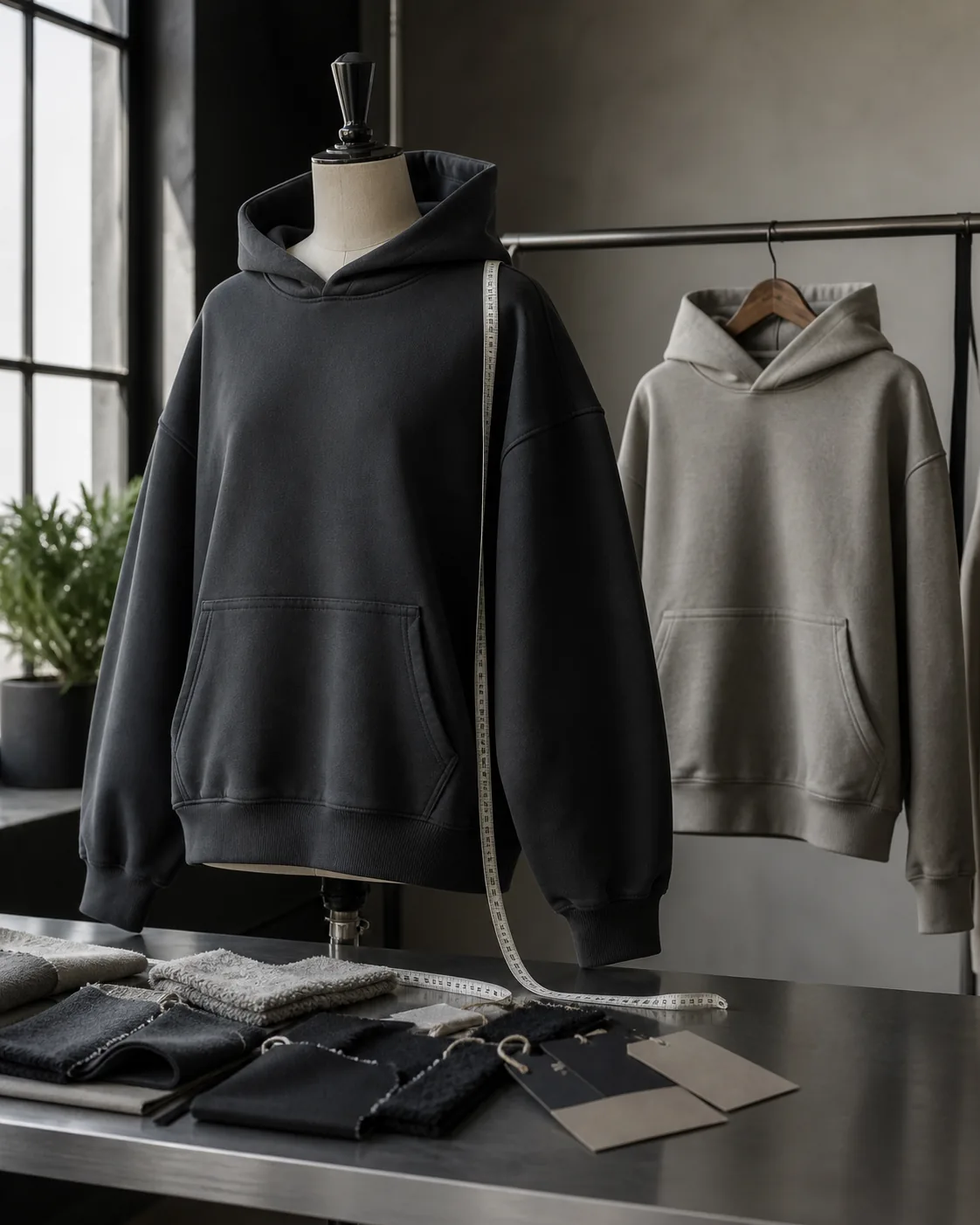
charcoal pullover hoodie with dropped shoulders, kangaroo pocket and rib cuffs
Product reference · raglan hoodie manufacturer
Product line sheet

Raglan Hoodie Manufacturer for Streetwear Brands

Develop raglan hoodies with a controlled sleeve path, body proportion and branding that clears the raglan seam.

Construction and finish options

Approve raglan seam placement, underarm ease and decoration zones on a finished sample in the chosen fabric.

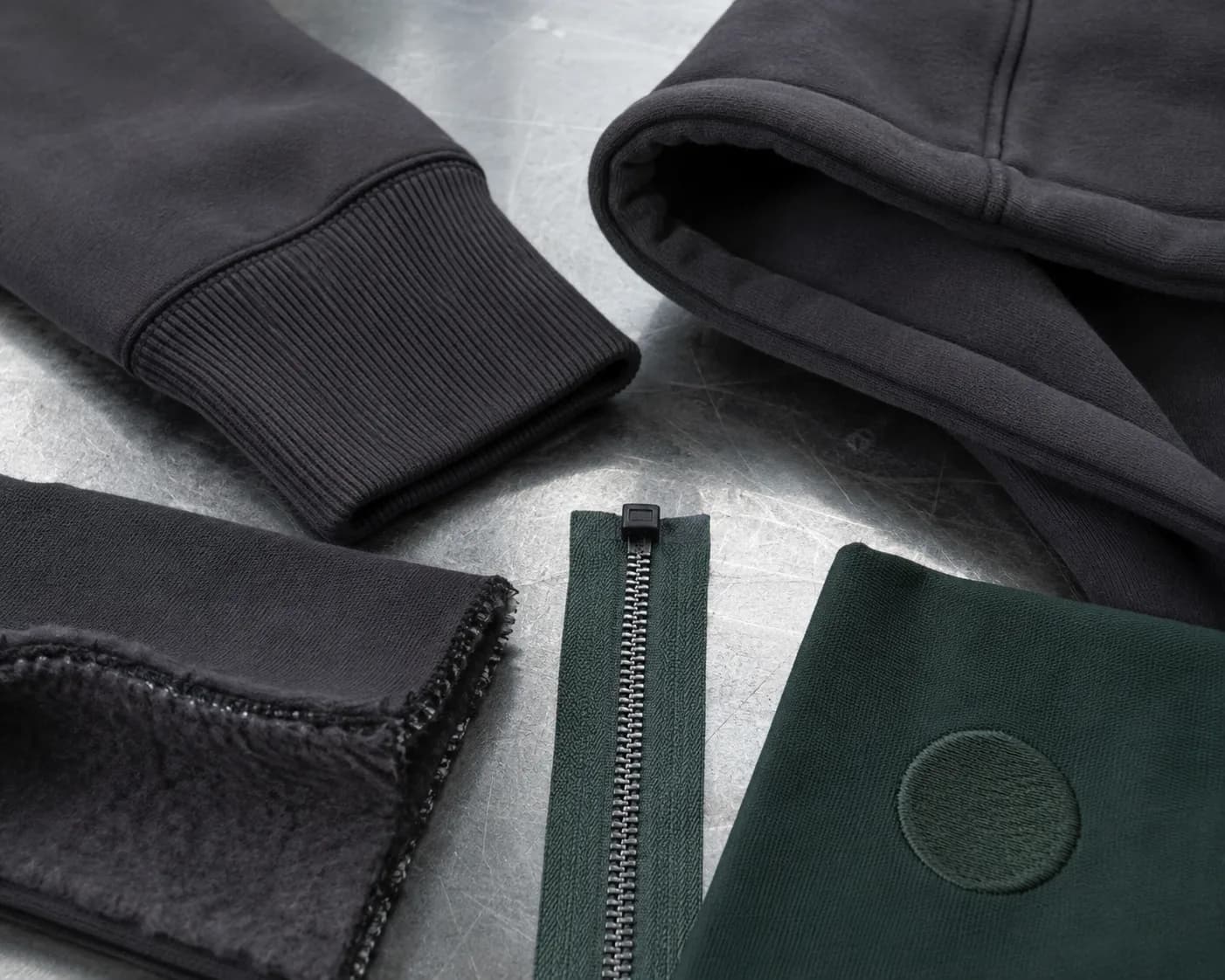
Contrast raglan sleevesTonal raglan fleeceFrench terry raglanColor-block raglan

Nearby production programs

Fields that make this request quotable

These are the details a factory needs before discussing MOQ, sampling, lead time and production scope.

01 Chest, body length and sleeve length02 Raglan seam path photos or pattern notes03 Fabric GSM and type04 Decoration placement vs seam05 Rib and hood details06 Target quantity by color and size07 Delivery country and required launch date08 Trade term, packing, and shipment needs

Checks to agree before production

Seam symmetryUnderarm comfortPrint/embroidery clearanceRib recovery

Questions before sampling and ordering

What belongs in a raglan hoodie manufacturer RFQ?

Start with Chest, body length and sleeve length, Raglan seam path photos or pattern notes, Fabric GSM and type, Decoration placement vs seam. Add the quantity by color and size, destination country and required date.

What should the sample confirm for raglan hoodie manufacturer?

The sample should resolve Contrast raglan sleeves, Tonal raglan fleece, French terry raglan and record the approved measurements, materials, trims and finish before bulk.

What are your MOQ, sample time and bulk lead time?

MOQ is 100 pcs. Samples take 7 days. Bulk production lead time depends on order quantity.

Which checks should be recorded before shipment?

Seam symmetry, Underarm comfort, Print/embroidery clearance, Rib recovery should be compared with the approved sample and packing requirements before release.

Define the Raglan Seam Path Before Developing the Pattern

The raglan seam is a design line and a patternmaking decision, not simply a substitute for a shoulder seam. It connects the sleeve to the body along a diagonal or curved route from the neckline toward the underarm. Its neckline starting point, curve, and underarm endpoint influence the visual proportions of the chest and upper back. A request for a raglan hoodie alone leaves these details open to interpretation. Show both front and back seam paths in your technical drawings. Do not assume they should be identical: the front and back of the body have different shaping requirements. Mark where each seam meets the neckline relative to a defined reference point, such as center front or center back. Include a reference garment or close-up photographs if a particular seam angle is important to the design.

Photographs should support, rather than replace, measurable instructions. Also specify how the seam should look from the outside and feel on the inside. State whether visible stitching is part of the design, and request an appropriate construction proposal for the selected fabric. Different seam treatments can change bulk, stretch, and appearance. Avoid selecting a stitch treatment from a photograph without checking whether it suits the fabric and intended use. Review the seam on a worn sample, not only on a flat garment. Look for puckering, twisting, or concentrated drag lines near the neckline and underarm.

Evaluate Raglan Fit Differently from Set-In Fit

A set-in sleeve has an armhole seam around the shoulder area and usually a separate shoulder seam. A raglan sleeve extends toward the neckline, so the familiar shoulder-width measurement does not describe the garment in the same way. This makes measurement definitions especially important when adapting an existing set-in hoodie block. Copying chest width and sleeve length alone does not confirm an equivalent fit. Define sleeve length with an illustrated measuring method. For example, a center-back-neck-to-cuff measurement can be useful, but the specification must explain the route and whether the cuff is included. Measure consistently on every sample. Add the dimensions needed to assess upper-sleeve volume, sleeve opening, chest width, body length, and hem opening.

Use the same measuring conditions throughout the development process, including whether the garment is relaxed and laid flat. Raglan construction does not automatically create a looser or more mobile hoodie. Movement depends on the sleeve angle, underarm geometry, body allowance, and fabric properties working together. A close-fitting raglan can restrict movement, while an oversized version can carry excess fabric under the arms. Ask the fit model to reach forward, cross their arms, and raise their hands. Observe how much the hem lifts and whether the neckline pulls backward or presses at the front. Compare raglan and set-in options against the intended silhouette rather than treating one as universally better.

Choose Fleece or French Terry by Structure and Performance

Fabric weight is useful, but it is not a complete fabric specification. Two materials with similar weight can differ in thickness, stretch recovery, drape, surface smoothness, and shrinkage. Those differences matter around a raglan seam because the seam travels across changing fabric directions and joins several shaped panels. A fabric that looks suitable in a small swatch may behave differently once it becomes a full sleeve and body. For common sweatshirt constructions, brushed-back fleece has a raised reverse surface, while French terry has a looped reverse. These constructions can produce different hand feels and wearing characteristics, but neither label establishes an exact warmth level or quality standard. Specify fiber composition, target weight, face appearance, reverse structure, and the intended handle.

If a reference fabric is available, identify which attributes must be matched and which can vary. Assess how the material supports the intended silhouette. A more structured fabric may hold a fuller sleeve shape, while a softer material may fall closer to the body. Check cuff and hem recovery alongside the main fabric: rib that is too tight can distort the intended shape, while weak recovery can leave openings looking stretched. The hood also needs attention because its size, layers, and fabric mass can affect how the neckline sits. Agree on a wash evaluation appropriate to the proposed care instructions.

Plan Decoration Around the Raglan Seam

A chest graphic that fits comfortably on a set-in hoodie may meet the sleeve seam on a raglan version. Before selecting a decoration method, place the artwork on the actual pattern or a correctly scaled technical drawing. Check its relationship to both raglan seams, the neckline, and the pocket. A large rectangular graphic can appear centered on the body yet sit awkwardly against the diagonal construction lines. Artwork that crosses a seam requires separate evaluation. A raised seam can interrupt printing contact and may cause an uneven result, depending on the method and construction. A transfer can respond differently where it passes over a change in thickness. Embroidery crossing a seam may introduce extra stiffness or distortion. These are development risks to test, not reasons to promise or reject a method without examining the garment.

Choose deliberately between keeping the artwork within a single panel, dividing the design between panels, or requesting a tested seam-crossing application. Decoration before assembly may be worth discussing for some designs, but it introduces alignment considerations when the pieces are sewn together. Specify what visual result matters most. If a continuous line must cross the seam, define an acceptable alignment standard and evaluate an actual decorated sample rather than relying only on a digital mockup. Document artwork dimensions and placement using stable reference points.

Use Sampling to Resolve Decisions Before Bulk Approval

When working with a raglan hoodie manufacturer, a complete brief helps make the sample a useful approval tool rather than an exercise in interpreting missing details. Prepare technical drawings, a measurement chart, fabric requirements, construction notes, and decoration files. Include the intended fit reference and explain which features are essential. If using a reference garment, distinguish the details to retain from those to change. For this China-based menswear OEM/private label factory, the MOQ is 100 pcs. Samples typically take 7 days once the brief and materials are confirmed. Treat that timing as typical sample preparation time, not as a confirm of delivery, transit, or completion of multiple revision rounds. Confirm what the sample will include and whether any components are provisional.

Bulk lead time depends on quantity and should be confirmed for the planned order. Review the sample in a consistent sequence. First check materials and construction against the brief. Then measure the garment using the agreed methods. Next evaluate fit on a suitable model, including forward reach and arm movement. Finally review decoration, hood balance, pocket placement, and the appearance after the agreed wash evaluation. This sequence helps separate a pattern issue from a material or construction issue. Consolidate feedback into one revision document. For each issue, identify the location, current result, requested correction, and any measurement change. Avoid conflicting instructions from different reviewers, and label every sample and specification with a version identifier.
Send your product brief for a production review.

Include references, quantity, fabric target, color count, logo files, packaging notes and the delivery window.

Production RFQStart RFQ briefView product programsWhatsApp +86 15920568771Email salessales@hoodiemanufacturerchina.comSend tech packs and reference images by email or WhatsApp. A clear quantity, fabric direction and delivery window gets a faster first reply.