MOQ
100 pcs
Sample lead time
7 days
Bulk production
Depends on order quantity
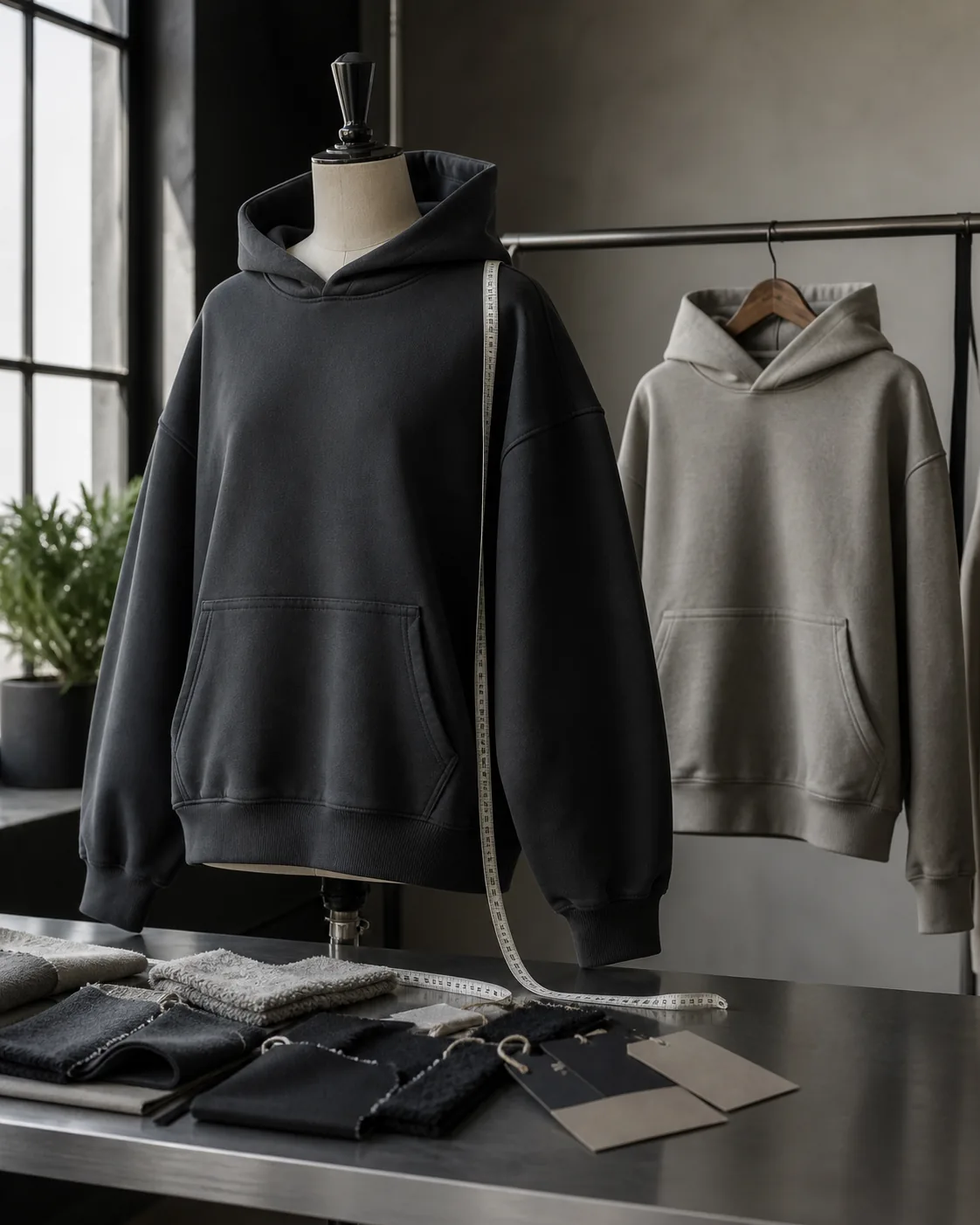
charcoal pullover hoodie with dropped shoulders, kangaroo pocket and rib cuffs
Product reference · custom crewneck sweatshirt manufacturer
Product line sheet

Custom Crewneck Sweatshirt Manufacturer in China for Menswear OEM

Develop custom men's crewneck sweatshirts for your label with an OEM production brief built around fit, fabric, construction, and branding. The minimum order quantity is 100 pieces. Samples take approximately 7 days once the brief and materials are confirmed, while bulk production timing depends on order quantity. Define your target customer, intended retail positioning, measurement requirements, and decoration methods early so the product can be assessed against a clear specification rather than a generic sweatshirt reference.

Construction and finish options

Men's crewneck sweatshirt development focused on repeatable fit specifications, suitable fleece or French terry construction, balanced rib trims, documented branding placement, and sample-led approval before bulk production.

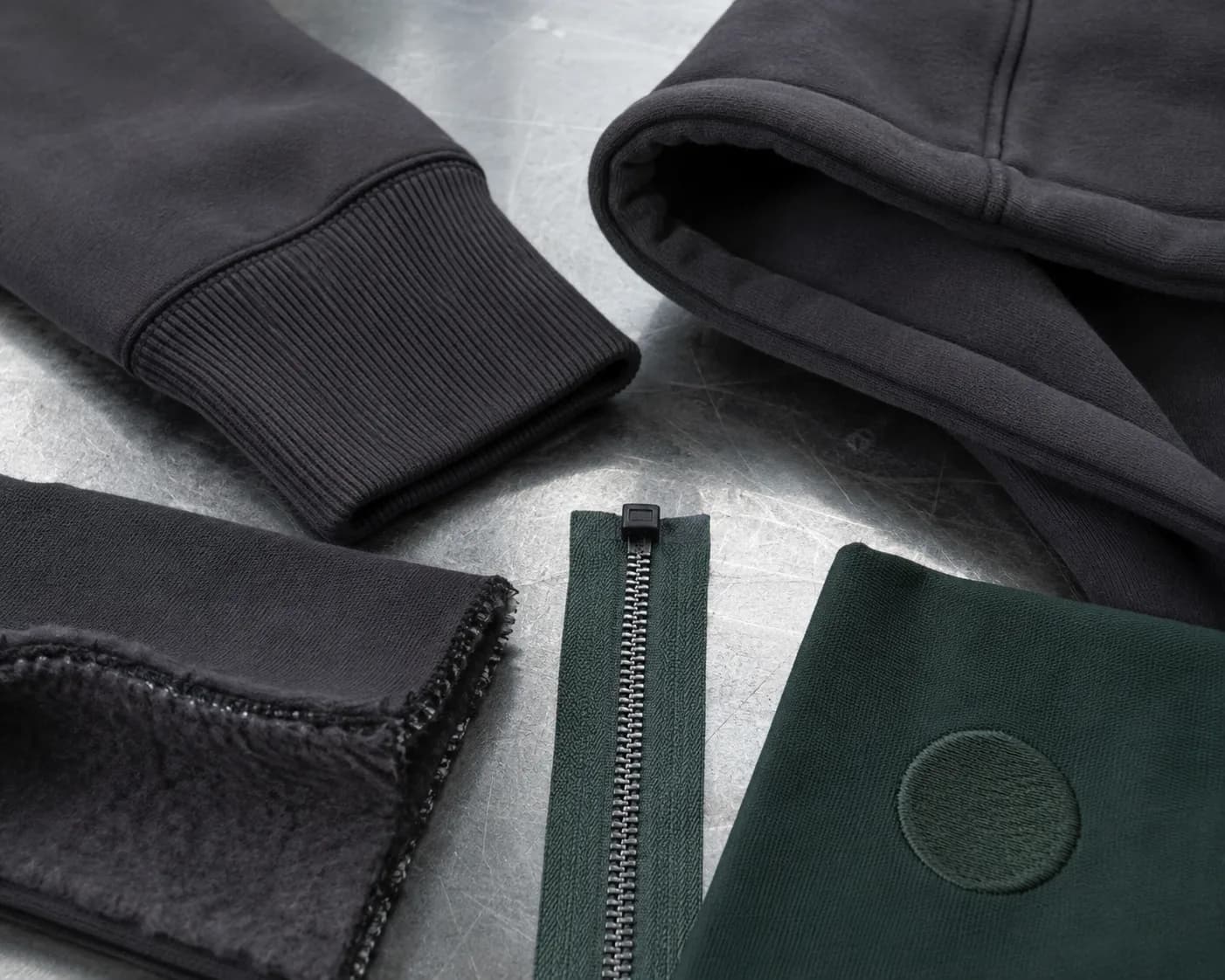
Fit directions to discuss: regular, relaxed, oversized, or boxy, supported by a defined men's measurement chart.Fabric directions to evaluate: brushed fleece or French terry, with composition and weight selected against the intended use.Branding methods to assess: screen printing, embroidery, transfers, or patches, subject to artwork and fabric suitability.Finishing details to specify: neck labels, size labels, care labels, hangtags, and individual packaging requirements.

Nearby production programs

Fields that make this request quotable

These are the details a factory needs before discussing MOQ, sampling, lead time and production scope.

01 Provide a technical pack or reference sample with measurement points, size range, grading rules, and fit tolerances.02 Specify fabric composition, target weight, fleece or French terry construction, color references, and desired hand feel.03 Define neckline shape, rib composition and width, cuff and hem dimensions, seam construction, and reinforcement details.04 Supply production-ready branding artwork with dimensions, placement measurements, colors, and requested application methods.05 Confirm order quantity, size and color breakdown, labeling, packaging, testing expectations, and required delivery date.06 Target quantity by color and size07 Delivery country and required launch date08 Trade term, packing, and shipment needs

Checks to agree before production

Check finished garment measurements against the approved size specification and agreed tolerances.Assess neck, cuff, and hem rib appearance and recovery using agreed inspection or testing methods.Inspect seams, stitching, fabric surfaces, and decoration for visible construction or application defects.Verify label content, branding placement, size identification, and packing details against approved references.

Questions before sampling and ordering

What belongs in a custom crewneck sweatshirt manufacturer RFQ?

Start with Provide a technical pack or reference sample with measurement points, size range, grading rules, and fit tolerances., Specify fabric composition, target weight, fleece or French terry construction, color references, and desired hand feel., Define neckline shape, rib composition and width, cuff and hem dimensions, seam construction, and reinforcement details., Supply production-ready branding artwork with dimensions, placement measurements, colors, and requested application methods.. Add the quantity by color and size, destination country and required date.

What should the sample confirm for custom crewneck sweatshirt manufacturer?

The sample should resolve Fit directions to discuss: regular, relaxed, oversized, or boxy, supported by a defined men's measurement chart., Fabric directions to evaluate: brushed fleece or French terry, with composition and weight selected against the intended use., Branding methods to assess: screen printing, embroidery, transfers, or patches, subject to artwork and fabric suitability. and record the approved measurements, materials, trims and finish before bulk.

What are your MOQ, sample time and bulk lead time?

MOQ is 100 pcs. Samples take 7 days. Bulk production lead time depends on order quantity.

Which checks should be recorded before shipment?

Check finished garment measurements against the approved size specification and agreed tolerances., Assess neck, cuff, and hem rib appearance and recovery using agreed inspection or testing methods., Inspect seams, stitching, fabric surfaces, and decoration for visible construction or application defects., Verify label content, branding placement, size identification, and packing details against approved references. should be compared with the approved sample and packing requirements before release.

Neck Rib Recovery: Specify a Crewneck That Retains Its Intended Shape

The neckline is a defining feature of a men's crewneck sweatshirt, so the rib specification deserves as much attention as the main fabric. A neck opening can look balanced in an initial photograph yet behave differently after dressing, repeated wear, or laundering. Rib recovery depends on several interacting factors, including fiber composition, knit structure, rib dimensions, attachment tension, and compatibility with the body fabric. Rather than requesting a vague premium neckline, identify the finished neck opening, visible rib width, desired stretch, and acceptable appearance after use. If you have an existing garment with the neckline behavior you want, include it as a reference while documenting its measurable features.

During sampling, examine whether the neck rib sits flat, puckers at the attachment seam, feels restrictive, or stretches without returning close to its original shape. The relationship between rib length and neckline circumference should be reviewed alongside seam elasticity, not treated as an isolated trim decision. Ask for an agreed evaluation method if recovery is important to your product positioning, and avoid assuming that a particular fiber blend automatically guarantees performance. A wash assessment can also reveal changes in neckline shape relative to the sweatshirt body. Record the approved rib construction and finishing requirements so later decisions are anchored to the sample rather than subjective descriptions.

Fleece or French Terry: Choose Fabric Around the Intended Product

Brushed fleece and French terry can create distinctly different crewneck sweatshirts even when their stated fabric weights are similar. Brushed fleece generally has a raised inner surface that can provide a softer, warmer feel, while French terry has an unbrushed looped reverse that often suits lighter layering and transitional collections. Neither option is automatically better for every menswear range. Consider climate, season, styling, expected wash frequency, and whether the sweatshirt will be worn over a T-shirt or under outerwear. Evaluate composition, thickness, stretch, drape, and surface appearance together instead of using grams per square meter as the sole measure of quality.

Your fabric brief should describe both the visual result and the wearing experience you want. For example, a structured boxy crewneck may need a different balance of weight and firmness from a relaxed style intended to drape softly. Request swatches or suitable material references before confirming the sampling materials, and clarify any requirements related to shrinkage, pilling, colorfastness, or surface consistency. Those properties require appropriate assessment and should not be assumed from a fabric name alone. If printing or embroidery is planned, assess the fabric with that application in mind, because surface texture and stability can affect artwork definition, stitch appearance, and the finished hand feel.

Crewneck Fit Blocks: Develop the Silhouette Rather Than Simply Removing a Hood

A crewneck sweatshirt should be developed as a complete garment rather than assumed to be a hoodie with its hood removed. A hood changes the weight distribution and visual balance around the shoulders and neckline, so a hoodie reference may not translate directly into the intended crewneck fit. Review shoulder width, shoulder slope, chest width, armhole depth, sleeve shape, body length, and neck opening together. For oversized menswear, extra width alone may produce an awkward result if sleeve length and body proportions remain unchanged. For a regular fit, insufficient movement allowance can make a visually neat sample uncomfortable during everyday wear.

Use a measurement chart with clearly defined measuring points and a stated base size. Fit comments should identify specific changes, such as adjusting the shoulder drop or reducing sleeve length, rather than relying only on words such as cleaner or more modern. Evaluate the sample on a person or form appropriate to the target customer, and check front, side, and back views with the arms both relaxed and moving. Hem rib tension also affects how the body sits: a tighter hem can create blousing, while a looser finish can support a straighter silhouette. Confirm grading rules across the size range instead of assuming that approval of one sample establishes every size.

Branding and Labeling: Make Every Application Production-Ready

Branding decisions affect development, costing, and the appearance of a custom crewneck sweatshirt. Screen printing, embroidery, transfers, and patches each have different artwork and material considerations, so describe the intended result before selecting an application solely by name. Fine lines, large filled areas, multicolor artwork, and small lettering may require different approaches. Provide artwork at the intended dimensions, identify colors with a usable reference, and measure placement from consistent garment points. A centered chest logo, for example, needs more information than a visual mockup alone if its position must remain consistent across samples and production.

Review decoration on the selected fabric wherever practical, especially when the design covers a large area or sits near seams and ribbing. Embroidery can change the flexibility of the decorated area, while printed or transferred designs may alter surface feel. The appropriate backing, application settings, and finishing method should be assessed for the specific combination rather than assumed to work equally well on every sweatshirt. Labels also need a documented brief covering artwork, dimensions, placement, size identification, and required information. Care and fiber-content wording should reflect the actual product and destination-market requirements; unsupported certifications, performance statements, or origin claims should not be added to labels or packaging.
Sampling and Bulk Planning: Confirm the Brief Before Starting the Timeline

The minimum order quantity is 100 pieces, and samples take approximately 7 days once the brief and materials are confirmed. Treat that timing as an approximate sampling period, not a promise that every development project will be ready 7 days after the first inquiry. An incomplete measurement chart, unresolved fabric choice, missing artwork, or a later design change can affect the development sequence. Prepare the technical pack, reference images, material decisions, and branding files together so the sample has a clear target. Clarify whether any quoted schedule includes dispatch or delivery, since sample production and transit are separate stages.

Bulk production timing depends on quantity and should be confirmed for the actual order rather than inferred from the sample timeline. Share the total units, color and size breakdown, packaging requirements, and requested delivery date when discussing production planning. After reviewing the sample, consolidate fit, fabric, construction, and branding feedback into one written revision record. If changes are substantial, discuss whether another sample is needed before approval. Retain the approved specifications and reference sample as the basis for agreed quality checks. This approach supports clearer communication and more useful comparisons between quotations without relying on unverified claims about capacity, certifications, turnaround guarantees, or product performance.

Send your product brief for a production review.

Include references, quantity, fabric target, color count, logo files, packaging notes and the delivery window.

Production RFQStart RFQ briefView product programsWhatsApp +86 15920568771Email salessales@hoodiemanufacturerchina.comSend tech packs and reference images by email or WhatsApp. A clear quantity, fabric direction and delivery window gets a faster first reply.