MOQ
100 pcs
Sample lead time
7 days
Bulk production
Depends on order quantity
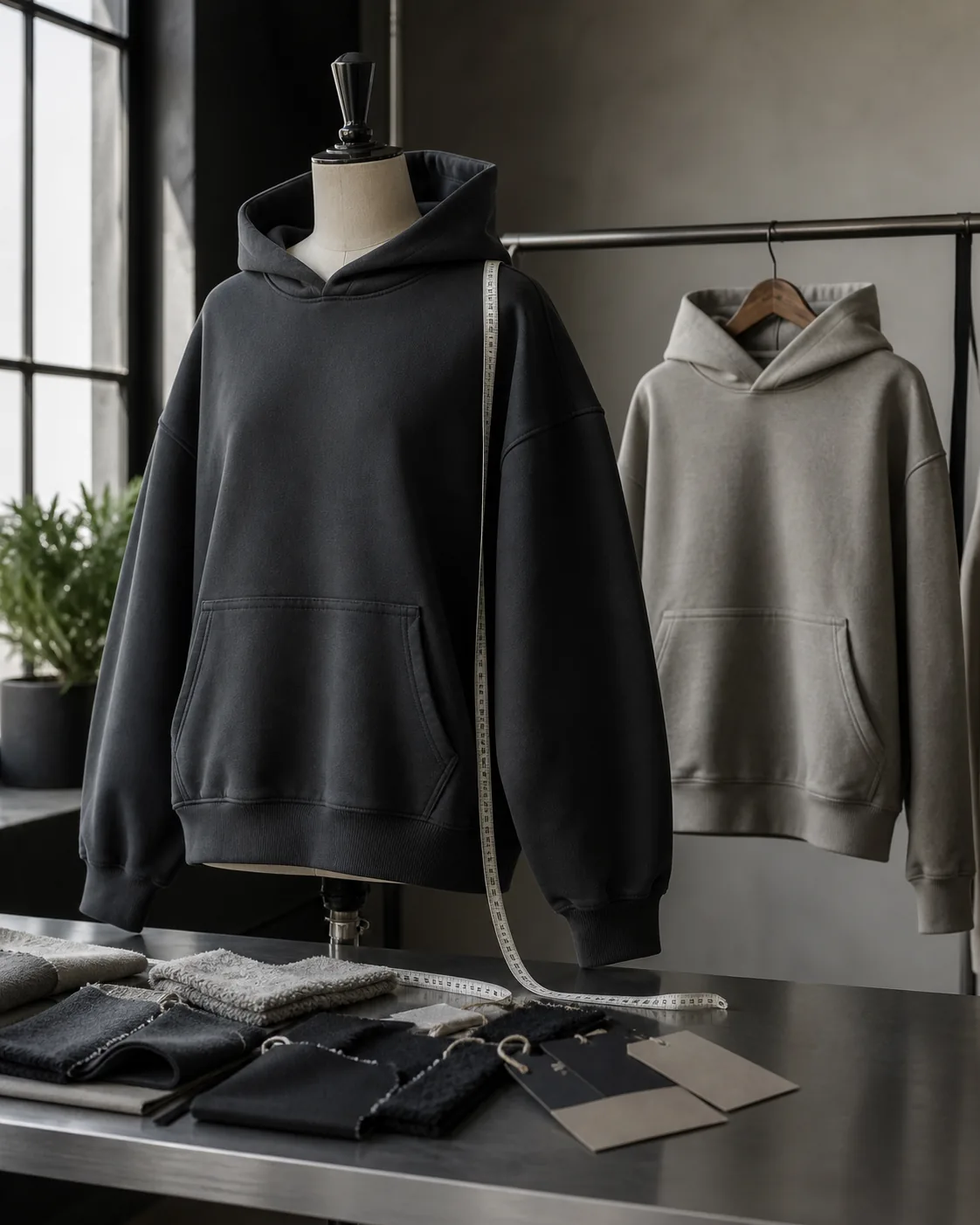
charcoal pullover hoodie with dropped shoulders, kangaroo pocket and rib cuffs
Product reference · half zip hoodie manufacturer
Product line sheet

Half Zip Hoodie Manufacturer in China for Menswear OEM

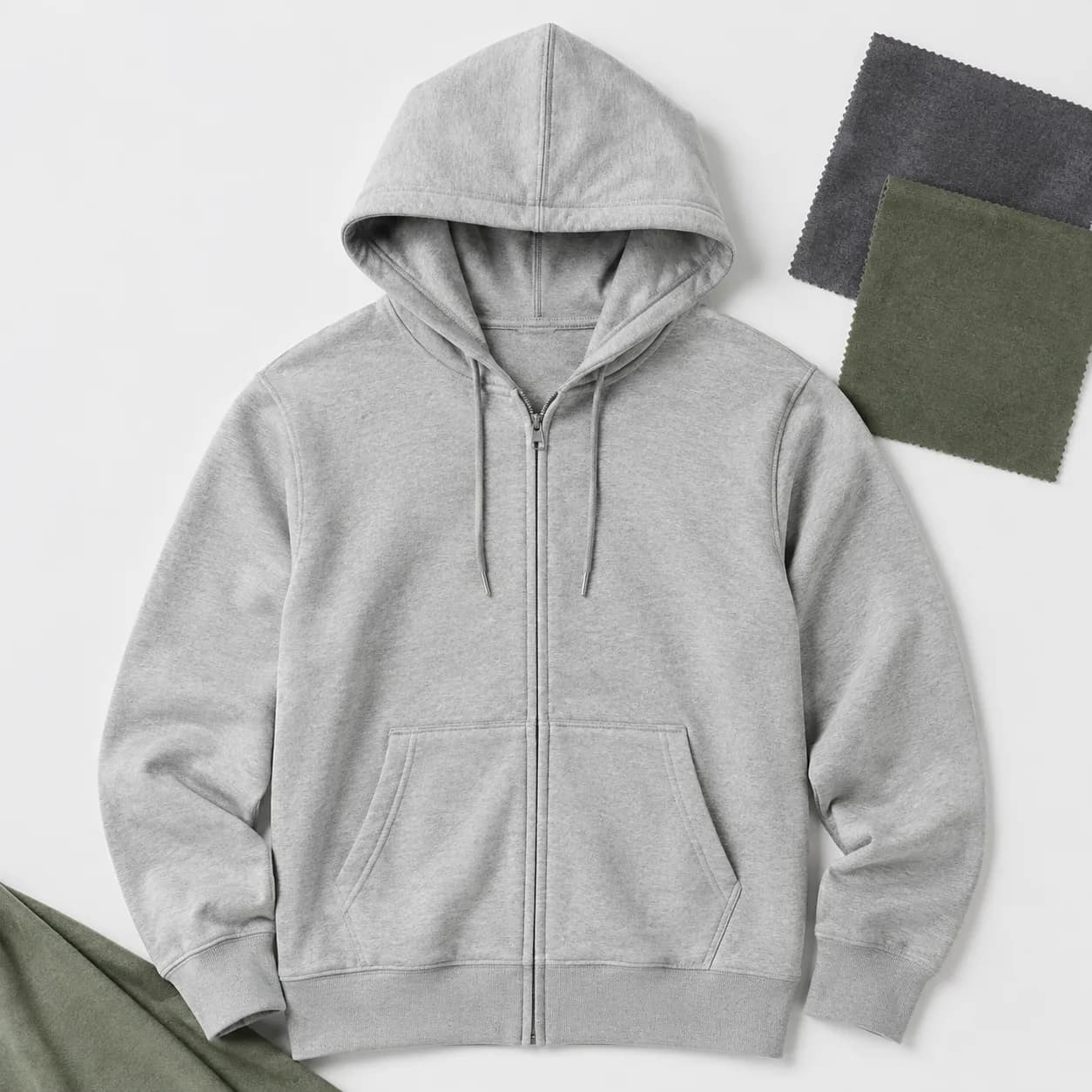
Source menswear half-zip hoodies with defined zipper length, placket construction, hood or collar styling, and coordinated fleece and rib specifications. As a half zip hoodie manufacturer, we work from your tech pack or reference brief to develop an OEM sample before bulk production planning. MOQ is 100 pcs, and bulk lead time depends on quantity.

Construction and finish options

Half-zip opening depth, reinforced placket construction, hood and collar integration, fleece selection, rib recovery and hardware compatibility.

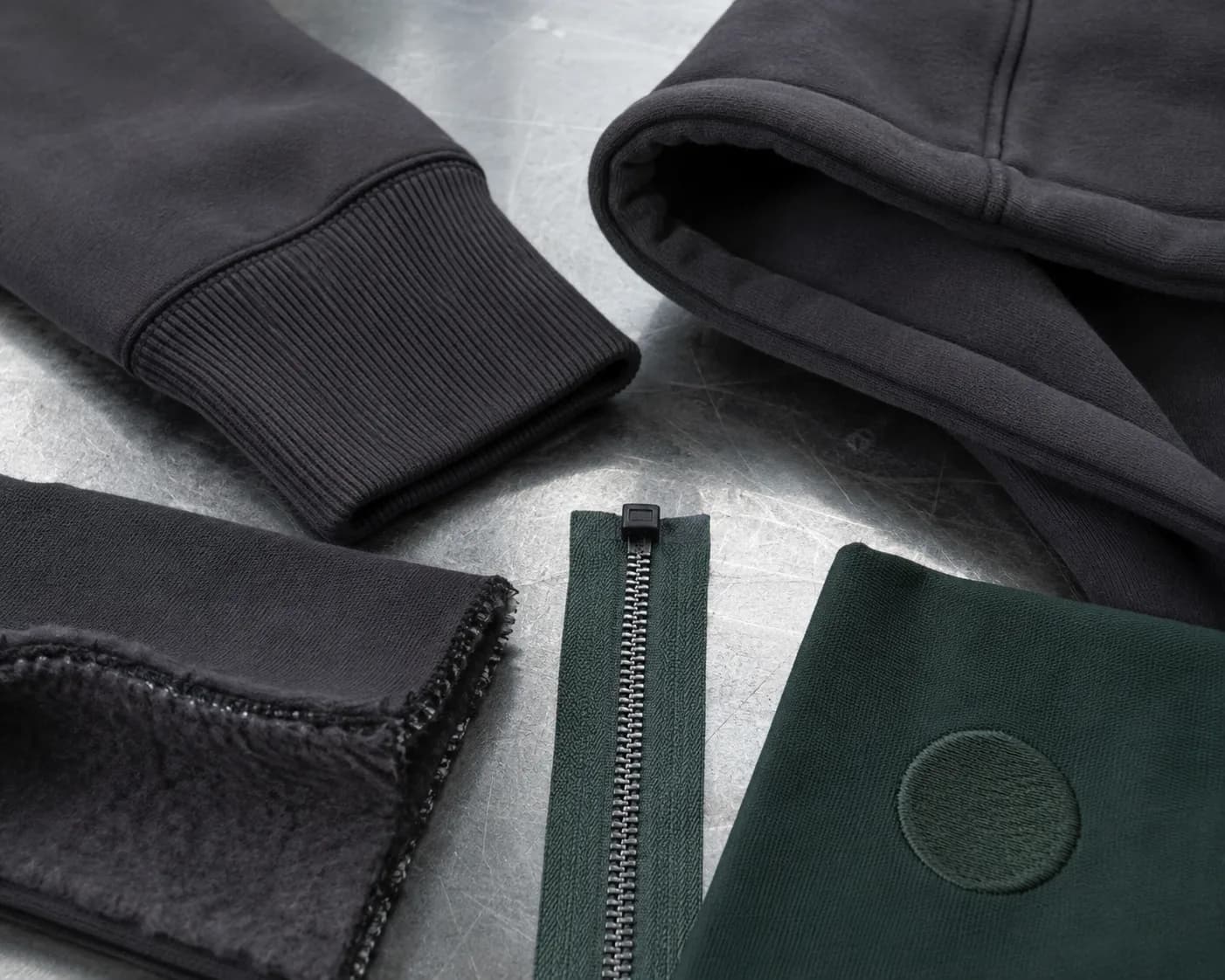
Half-zip depth and placket: shorter chest openings or deeper openings with specified facings and reinforcement.Neckline: hooded construction, stand-collar alternative or a combined hood-and-collar design.Fabric and rib: brushed fleece or unbrushed alternatives with coordinated cuff and hem rib.Hardware and branding: zipper styles, puller finishes, label packages, print or embroidery subject to material review.

Nearby production programs

Fields that make this request quotable

These are the details a factory needs before discussing MOQ, sampling, lead time and production scope.

01 Define zipper length, measurement reference, opening depth and closed neckline position.02 Specify placket width, reinforcement, zipper tape coverage and internal finishing.03 Confirm hood shape, collar height or combined hood-and-collar construction.04 Record fleece composition, target weight, rib composition and rib dimensions.05 List zipper type, puller finish, branding placements, size chart and packing requirements.06 Target quantity by color and size07 Delivery country and required launch date08 Trade term, packing, and shipment needs

Checks to agree before production

Check zipper operation, left-right alignment and placket appearance against the approved sample.Review fleece shade, surface appearance and rib matching against approved material references.Measure body, sleeve, neckline, hood or collar, and rib dimensions against agreed tolerances.Inspect branding placement, seam finishing, hardware attachment and packing details against the order specification.

Questions before sampling and ordering

What belongs in a half zip hoodie manufacturer RFQ?

Start with Define zipper length, measurement reference, opening depth and closed neckline position., Specify placket width, reinforcement, zipper tape coverage and internal finishing., Confirm hood shape, collar height or combined hood-and-collar construction., Record fleece composition, target weight, rib composition and rib dimensions.. Add the quantity by color and size, destination country and required date.

What should the sample confirm for half zip hoodie manufacturer?

The sample should resolve Half-zip depth and placket: shorter chest openings or deeper openings with specified facings and reinforcement., Neckline: hooded construction, stand-collar alternative or a combined hood-and-collar design., Fabric and rib: brushed fleece or unbrushed alternatives with coordinated cuff and hem rib. and record the approved measurements, materials, trims and finish before bulk.

What are your MOQ, sample time and bulk lead time?

MOQ is 100 pcs. Samples take 7 days. Bulk production lead time depends on order quantity.

Which checks should be recorded before shipment?

Check zipper operation, left-right alignment and placket appearance against the approved sample., Review fleece shade, surface appearance and rib matching against approved material references., Measure body, sleeve, neckline, hood or collar, and rib dimensions against agreed tolerances., Inspect branding placement, seam finishing, hardware attachment and packing details against the order specification. should be compared with the approved sample and packing requirements before release.

Define Half-Zip Length, Placket Geometry and Neckline Construction

Start the development brief with a measured zipper length rather than the description half zip alone. State whether the measurement covers the complete zipper assembly or the functional opening, and identify its starting point at the neckline. Opening depth affects how the garment is pulled on, how the chest sits when unzipped, and where a front graphic can be placed. Include the intended placket width, visible zipper tape, top stop position and bottom reinforcement. A front technical drawing with these callouts gives the factory a clearer basis for pattern work and reduces interpretation between the buyer, pattern maker and sewing team.

Choose the neckline construction before finalizing the zipper and placket. A hooded version needs a defined hood opening, center-front relationship and seam finish where the hood joins the body. A stand-collar alternative requires its own collar height, shape and closed-neck measurement, while a combined collar and hood adds layers around the zipper top. Specify whether a zipper guard, internal facing or covered tape is required. These details influence bulk at the throat and the appearance of the open neckline. Review both fully zipped and partially open views during sampling, since a neat closed front can behave differently when worn open.

Select Fleece and Rib as a Coordinated Material Package

Fabric selection should connect the intended selling season with hand feel, garment weight and silhouette. Record the requested fiber composition, target fabric weight and inside finish, including whether the brief calls for brushed fleece or an unbrushed loopback alternative. Do not rely on weight alone to communicate quality or warmth; yarn, construction and finishing also influence the result. If you have a reference garment, explain which characteristics should be matched and which can change. Material availability should be reviewed before the sample schedule is confirmed, particularly when the order requires a specific color, composition or surface treatment rather than an available stock fabric.

Treat cuff and hem rib as part of the material package, not as an afterthought. Specify rib construction, composition, finished height and the amount of gathering expected where it joins the fleece body. A firm rib can change the shape of a relaxed hoodie, while a softer rib may give less structure at the waistband. Establish whether the rib should match the body shade closely or provide an intentional contrast. Ask for the proposed fleece and rib to be reviewed together under consistent viewing conditions. Any requested wash evaluation should have an agreed method and acceptance criteria rather than an unsupported claim of performance.

Build Menswear Fit Around the Opening and Layering Requirement

A half-zip hoodie pattern needs to account for how the buyer expects the garment to be worn. Define the base size, target wearer and layering allowance before grading the range. Chest width, shoulder width, body length, sleeve length and armhole shape should work together rather than being copied from unrelated references. For a dropped-shoulder fit, show the intended shoulder position and sleeve volume in the brief. For a cleaner menswear silhouette, clarify how much ease is required without making the neck opening difficult to use. Supply a measurement diagram so each point has a consistent meaning during sampling and bulk inspection.

The front opening can affect fit feedback even when the main body measurements are correct. Check whether the zipper end creates a noticeable fold at the chest, whether the placket pulls sideways, and whether the neckline rests comfortably when closed. Hood depth and collar height should be assessed with the zipper in different positions. Also review hem rib tension, cuff opening and sleeve movement with the intended base layer. Record revisions as measurements and construction notes rather than comments such as make it more premium. After the base size is approved, confirm grade rules and tolerances for the remaining sizes before bulk cutting is planned.

Coordinate Branding, Wash Finish and Zipper Hardware

Branding placement should be planned around the placket, pocket layout and seam structure. A large chest print may need to be divided or repositioned if the zipper interrupts the artwork. Embroidery needs suitable backing and placement review so it does not add unwanted stiffness beside the opening. Include artwork dimensions, color references, label content and attachment positions in the tech pack. Neck labels, care labels and external brand tabs should be specified separately. If a garment wash is requested, discuss when branding will be applied and how the process may influence shade, surface appearance and dimensions before approving the final production route.

Hardware selection should balance appearance, operation and compatibility with the garment finish. Define zipper type, tape color, puller shape, finish and any branding requirement rather than requesting a generic premium zipper. The zipper length and tape specification need to match the approved pattern and placket construction. Metal, molded and coil options can produce different visual and handling results, so review the proposed component on the actual sample where possible. Any special wash or finishing process should be discussed alongside hardware selection. Custom pullers or finishes may introduce separate sourcing constraints, which should be confirmed before the buyer commits to the order specification.

Plan Sampling, the 100-Piece MOQ and Repeat Orders

The MOQ is 100 pcs. Confirm the proposed allocation by color and size during quotation, since fabric and hardware sourcing can affect the practical order setup. Samples typically take around 7 days once the brief and materials are confirmed; this is an estimate, not a guaranteed dispatch date. A complete brief should include technical drawings, measurements, material requirements, trim details, artwork and the intended packing method. If some specifications are still open, identify them clearly so the sample has a defined purpose. Use the first review to resolve construction and fit questions before treating the garment as the approved reference for bulk production.

Bulk lead time depends on quantity, and the production plan should also reflect material readiness, approved revisions and the selected finishing route. Keep a dated approval record covering the sample, size chart, fabric reference, rib, hardware, artwork and packaging. For reorders, provide the previous order reference and list any changes instead of assuming every component remains available. Fabric lots can differ, and a trim supplier may change availability, so replacement materials should be reviewed before use. An approved reference sample and controlled specification file help the buyer and factory identify differences early and keep repeat production aligned with the intended product.
Send your product brief for a production review.

Include references, quantity, fabric target, color count, logo files, packaging notes and the delivery window.

Production RFQStart RFQ briefView product programsWhatsApp +86 15920568771Email salessales@hoodiemanufacturerchina.comSend tech packs and reference images by email or WhatsApp. A clear quantity, fabric direction and delivery window gets a faster first reply.