MOQ
100 pcs
Sample lead time
7 days
Bulk production
Depends on order quantity
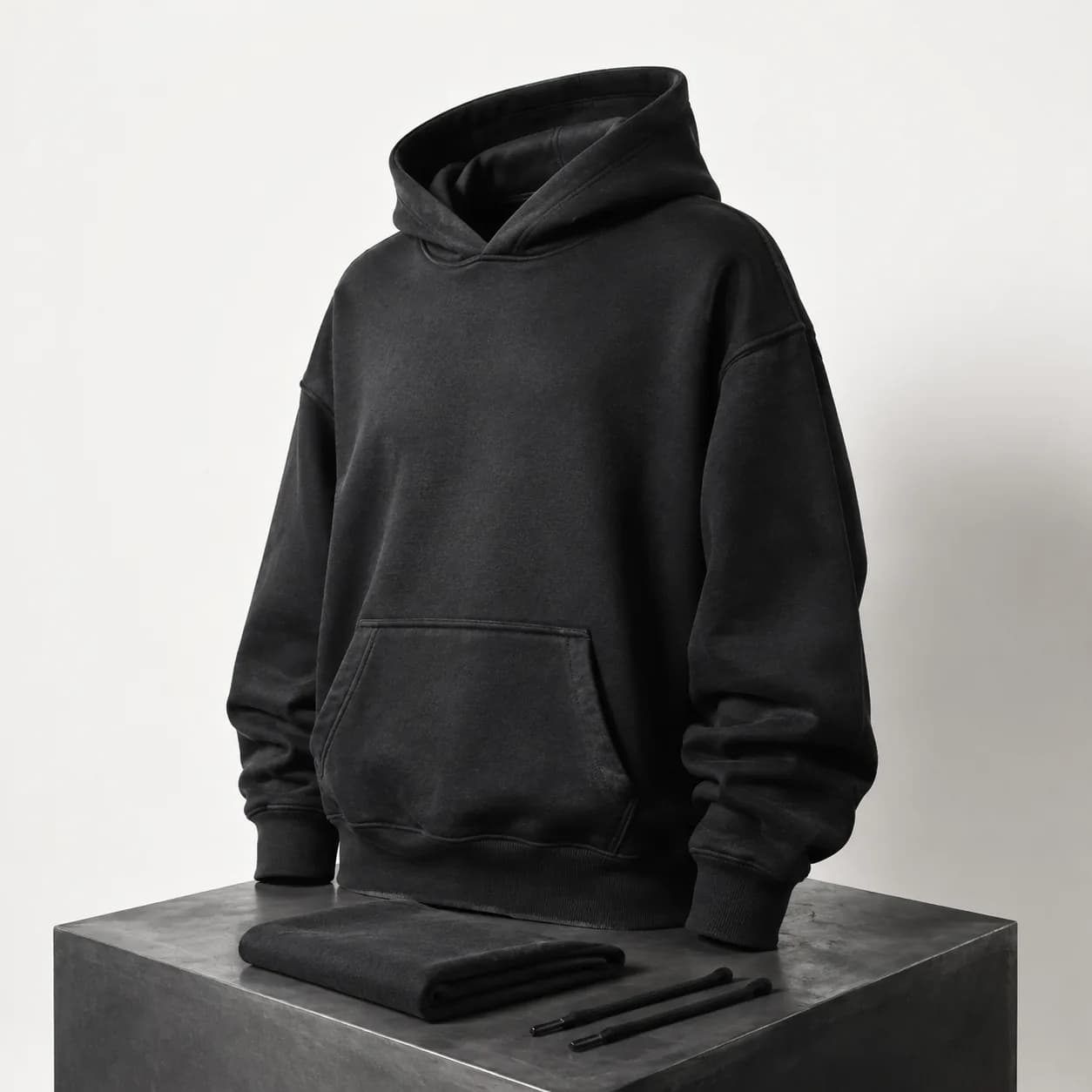
charcoal pullover hoodie with dropped shoulders, kangaroo pocket and rib cuffs
Product reference · 500 gsm hoodie manufacturer
Product line sheet

500 GSM Hoodie Manufacturer in China for Heavy Fleece OEM

Develop a 500 GSM hoodie for your brand with a clear heavy fleece OEM specification. The minimum order quantity is 100 pcs, and samples take approximately 7 days after the brief and materials are confirmed. Bulk lead time depends on order quantity and should be confirmed against the approved specification. Use the checklist below to define fabric, fit, decoration, and inspection requirements before requesting a quotation.

Construction and finish options

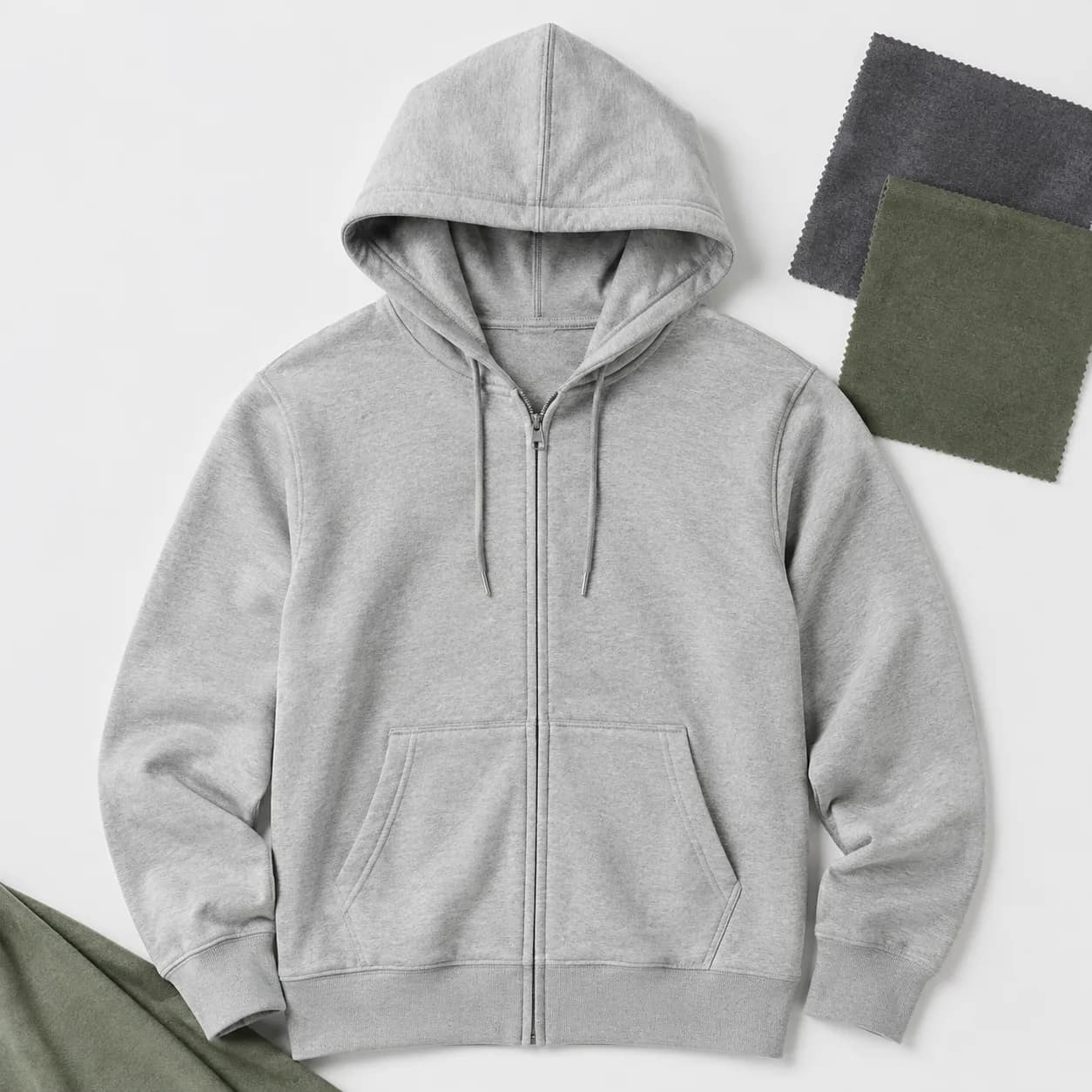
Heavy fleece hoodie development centered on measurable fabric requirements, fit approval, wash testing, decoration compatibility, and documented sample feedback. Confirm material availability, construction feasibility, pricing, and delivery timing before placing an order.

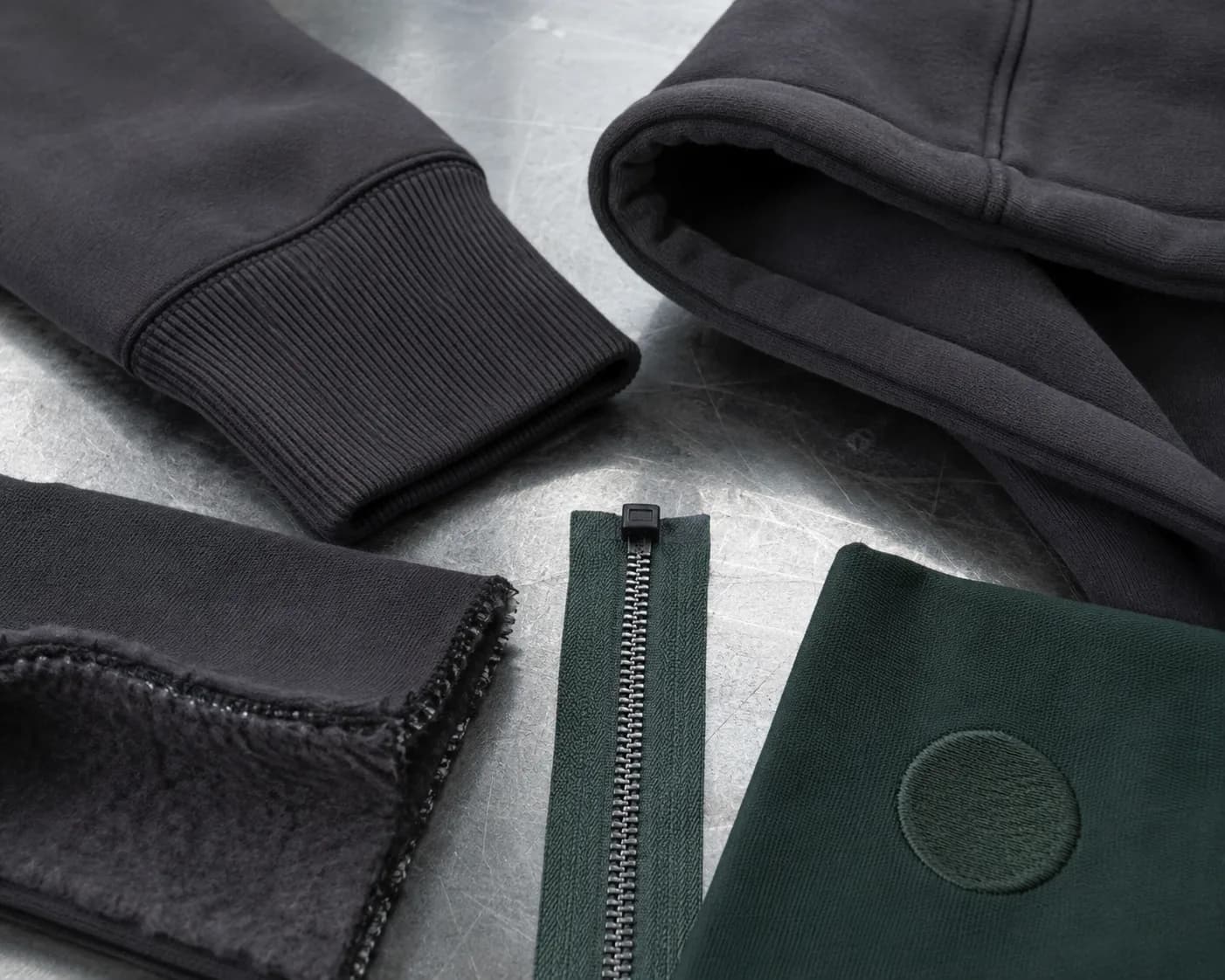
Silhouette options to evaluate: regular, relaxed, oversized, or cropped proportions, subject to pattern and sample approval.Fabric options to confirm: fiber blend, brushed or unbrushed interior, surface finish, and available or custom colors.Decoration options to assess: screen printing, embroidery, appliqué, or patches, subject to artwork and fabric compatibility.Finishing options to discuss: hood lining, rib construction, drawcords, zippers, brand labels, and individual packing.

Nearby production programs

Fields that make this request quotable

These are the details a factory needs before discussing MOQ, sampling, lead time and production scope.

01 Fabric: target 500 GSM, fiber composition, knit construction, interior finish, color reference, and agreed weight tolerance.02 Fit: graded measurement chart, intended silhouette, measurement methods, and tolerances for key garment dimensions.03 Construction: hood structure, pocket dimensions, seam details, rib specifications, and pullover or zip-up format.04 Decoration: artwork files, dimensions, placement, color references, technique, and any required label or packaging details.05 Approval: wash-test conditions, dimensional-change limits, sample sign-off criteria, order quantity, and required delivery window.06 Target quantity by color and size07 Delivery country and required launch date08 Trade term, packing, and shipment needs

Checks to agree before production

Check fabric weight using an agreed test method and tolerance; inspect shade consistency and visible surface defects.Measure approved sample and bulk garments against the size chart, including body length, chest, sleeves, and hood dimensions.Evaluate dimensional change and garment appearance after the agreed washing and drying procedure.Inspect seam execution, pocket alignment, rib recovery, decoration placement, and trim function against the approved reference.

Questions before sampling and ordering

What belongs in a 500 gsm hoodie manufacturer RFQ?

Start with Fabric: target 500 GSM, fiber composition, knit construction, interior finish, color reference, and agreed weight tolerance., Fit: graded measurement chart, intended silhouette, measurement methods, and tolerances for key garment dimensions., Construction: hood structure, pocket dimensions, seam details, rib specifications, and pullover or zip-up format., Decoration: artwork files, dimensions, placement, color references, technique, and any required label or packaging details.. Add the quantity by color and size, destination country and required date.

What should the sample confirm for 500 gsm hoodie manufacturer?

The sample should resolve Silhouette options to evaluate: regular, relaxed, oversized, or cropped proportions, subject to pattern and sample approval., Fabric options to confirm: fiber blend, brushed or unbrushed interior, surface finish, and available or custom colors., Decoration options to assess: screen printing, embroidery, appliqué, or patches, subject to artwork and fabric compatibility. and record the approved measurements, materials, trims and finish before bulk.

What are your MOQ, sample time and bulk lead time?

MOQ is 100 pcs. Samples take 7 days. Bulk production lead time depends on order quantity.

Which checks should be recorded before shipment?

Check fabric weight using an agreed test method and tolerance; inspect shade consistency and visible surface defects., Measure approved sample and bulk garments against the size chart, including body length, chest, sleeves, and hood dimensions., Evaluate dimensional change and garment appearance after the agreed washing and drying procedure., Inspect seam execution, pocket alignment, rib recovery, decoration placement, and trim function against the approved reference. should be compared with the approved sample and packing requirements before release.

500 GSM vs. Handfeel: Specify More Than Fabric Weight

A 500 GSM specification describes fabric mass per square meter, not the complete wearing experience of a finished hoodie. Two fabrics with the same measured weight can feel noticeably different because of their fiber composition, yarn characteristics, knit density, and finishing. A brushed interior may create a softer initial touch, while an unbrushed loopback surface can feel cleaner and less plush. Neither finish automatically proves better quality. For an OEM brief, define the intended balance of structure, softness, surface smoothness, and interior texture alongside the target weight. A physical fabric reference is useful when descriptive terms are open to interpretation.

Ask how fabric weight will be measured and what tolerance will apply before treating 500 GSM as a pass-or-fail requirement. The stage of testing matters because processing and dimensional changes can affect the result. Buyers should also distinguish the body fabric from rib, hood lining, pocketing, or other components that may use different materials. A substantial hoodie does not require every component to share the same weight. Review the complete garment for drape, mobility, and comfort rather than selecting fabric by weight alone. Confirm the proposed material against the approved swatch and sample before authorizing bulk production.

Shrinkage: Agree on Testing Before Finalizing Measurements

Heavy fleece can change dimensions after laundering, and the amount of change depends on the fabric, processing history, garment construction, and care procedure. A claim such as 'preshrunk' is not a substitute for an agreed test result. Set a washing and drying method that reflects the intended care instructions, then measure the garment before and after testing. Record body length, chest width, sleeve length, and other fit-critical points using consistent methods. Agree on acceptable dimensional-change limits rather than assuming a universal percentage applies to every 500 GSM fabric. This makes sample approval more meaningful and reduces avoidable disagreements later.

Shrinkage planning should also account for differences between components. If the body fabric, rib cuffs, waistband, hood lining, or zipper area behave differently in washing, the finished hoodie may develop puckering or distorted proportions. Evaluate the whole garment, not only a loose fabric cutting. Review seam appearance, pocket shape, hood symmetry, and the relationship between the body and rib after laundering. Any pattern allowance should follow observed sample results rather than an unsupported estimate. If materials or finishing processes change after approval, discuss whether another wash test is needed before proceeding with the revised bulk specification and production plan.

Fit Development for Heavy Fleece Hoodies

A pattern that works in lighter sweatshirt fabric may not translate directly to 500 GSM fleece. Extra thickness can influence how seams sit, how the hood falls, and how much room the wearer needs through the chest, shoulders, and armholes. Start with an intended silhouette and a measurement chart instead of relying only on labels such as oversized or boxy. Define shoulder drop, sleeve width, body length, hem opening, and hood dimensions in measurable terms. Consider the intended layering use as well. A heavyweight hoodie worn over a T-shirt may need different ease from one designed for additional layers.

During fitting, assess movement as well as the standing appearance. Check whether the wearer can raise their arms comfortably, whether the hood pulls at the neckline, and whether the pocket adds unwanted bulk across the front. Rib width and recovery can change how a cropped or relaxed shape sits on the body. For zip-up designs, review zipper length and front balance with the garment both open and closed. Approve grading rules separately from the base size so proportions remain intentional across the range. Written comments and marked photographs help translate fit feedback into specific pattern corrections for the next sample.

Decoration on Heavy Fleece: Match Technique to Fabric and Artwork

Decoration should be evaluated on the proposed fleece rather than selected from artwork alone. Surface texture, fiber composition, fabric color, and finishing can influence print appearance and processing requirements. Screen printing may be suitable for some designs, but fine detail, large solid areas, and desired softness require review. Embroidery introduces a different set of considerations, including stitch density, backing, placement, and the weight of the completed design. Heavy fabric does not automatically eliminate puckering or distortion. Share production-ready artwork with dimensions and color references, then request a representative decoration trial where appearance or durability is critical to the product.

Placement becomes especially important around pockets, seams, hood edges, and zipper openings. A large chest graphic may need adjustment to avoid uneven surfaces or to remain visually balanced across sizes. For embroidery, patches, or appliqué, inspect the reverse side for wearer comfort and consider whether reinforcement is necessary. Wash the decorated sample using the agreed care method and assess adhesion, cracking, color change, puckering, and garment distortion as relevant to the technique. Do not assume that approval on another fabric transfers to this hoodie. Confirm the final method, size, position, and reference standard before decoration is released for bulk work.
Sampling and Bulk Planning: Build Approval Into the Schedule

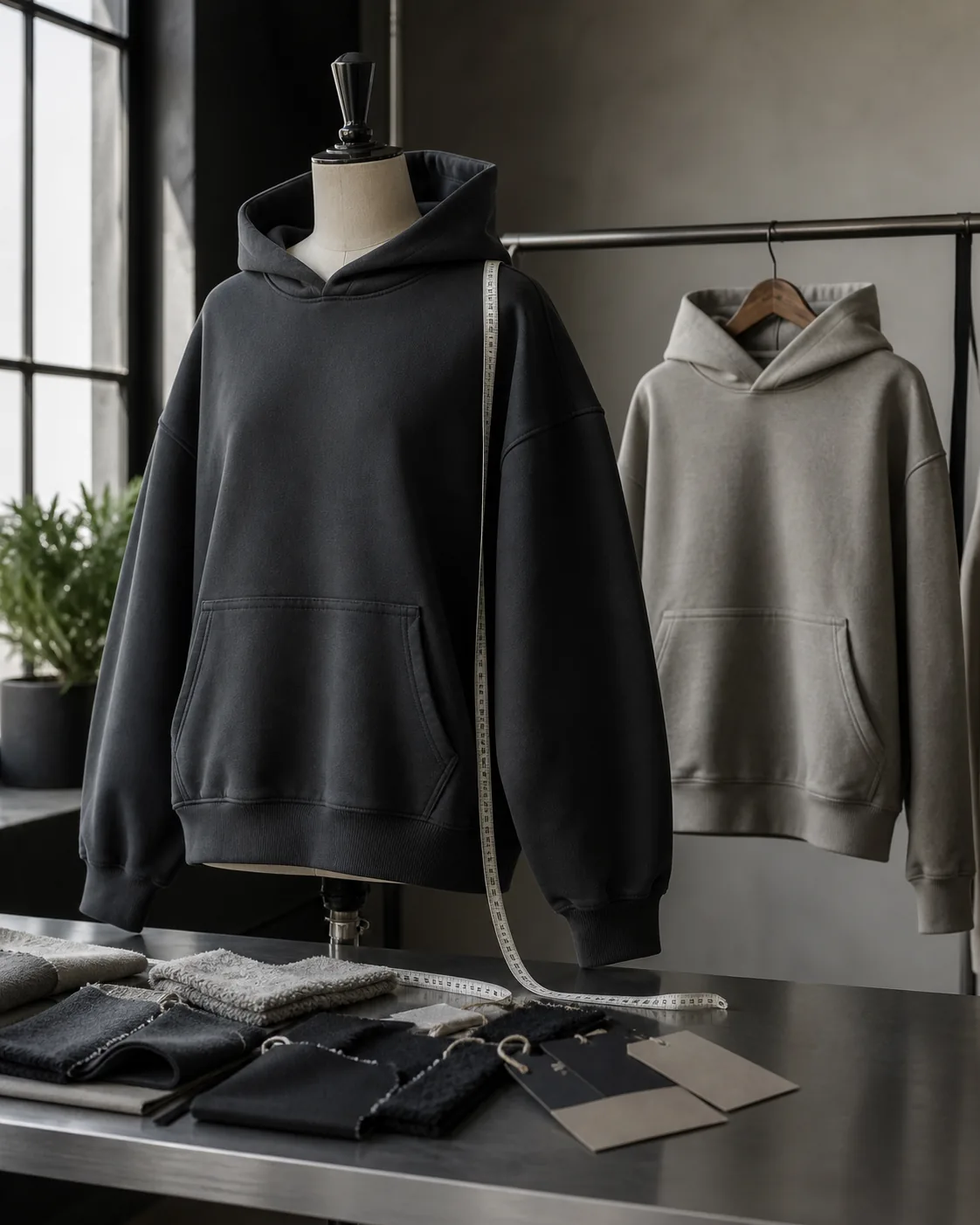
Samples take approximately 7 days after the brief and materials are confirmed. Treat that timing as an estimate for the agreed sample scope, not an unconditional promise covering every development situation. Before the sample starts, supply the measurement chart, construction details, artwork, color references, trim requirements, and any physical references needed to interpret the design. Clarify whether the sample is intended to verify fit, fabric, decoration, or the complete production specification. Also confirm how sample shipping will be handled and whether transit time is separate from the quoted sampling period. A complete brief helps avoid preventable clarification cycles during development.

The minimum order quantity is 100 pcs. Confirm how that minimum applies to the proposed style, color, and size breakdown rather than assuming every assortment is available at the same threshold. Bulk lead time depends on quantity and should be confirmed once the specification and order details are settled. Build time into the purchasing plan for sample review, revisions if needed, material confirmation, production, inspection, and shipping. Keep an approved reference sample and a version-controlled specification so both sides work from the same instructions. Any change after approval should trigger a review of price, feasibility, and schedule before implementation.

Send your product brief for a production review.

Include references, quantity, fabric target, color count, logo files, packaging notes and the delivery window.

Production RFQStart RFQ briefView product programsWhatsApp +86 15920568771Email salessales@hoodiemanufacturerchina.comSend tech packs and reference images by email or WhatsApp. A clear quantity, fabric direction and delivery window gets a faster first reply.